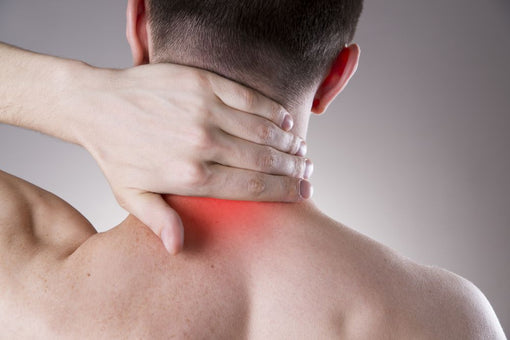


Il recupero muscolare è una parte fondamentale di qualsiasi attività sportiva o trattamento terapeutico. Utilizzare gli strumenti giusti può migliorare la rigenerazione dei muscoli, prevenire infortuni e favorire il benessere generale. Ecco 5 strumenti essenziali che ogni sportivo, fisioterapista o appassionato di benessere dovrebbe considerare.
1. Pistola Massaggiante
Le pistole massaggianti sono diventate un must per chi pratica sport o soffre di tensioni muscolari. Questi dispositivi, grazie alle vibrazioni ad alta frequenza, favoriscono il rilassamento muscolare, migliorano la circolazione sanguigna e accelerano il recupero dopo l'attività fisica.
2. Elettrostimolatore Muscolare
Un elettrostimolatore aiuta a rilassare i muscoli dopo un allenamento intenso, stimolando le fibre muscolari con impulsi elettrici controllati. È particolarmente utile per il recupero post-infortunio o per migliorare il tono muscolare senza affaticare ulteriormente il corpo.
3. Rulli e Foam Roller
I rulli massaggianti (foam roller) sono ottimi strumenti per il rilascio miofasciale, ovvero una tecnica di auto-massaggio che aiuta a ridurre la rigidità muscolare e migliorare la mobilità. Usarli prima e dopo un allenamento può ridurre il rischio di contratture e migliorare le prestazioni fisiche.
4. Fasce di Resistenza e Stretching
Le fasce elastiche sono utilissime per eseguire esercizi di stretching e potenziamento muscolare. Migliorano la flessibilità, prevengono infortuni e possono essere usate per esercizi di riabilitazione.
5. Creme e Gel per il Recupero Muscolare
L'uso di creme specifiche, come quelle a base di arnica o mentolo, può aiutare a ridurre il dolore muscolare e l'infiammazione. Questi prodotti, applicati con un massaggio, migliorano il flusso sanguigno e favoriscono un recupero più rapido.
Conclusione
Investire negli strumenti giusti per il recupero muscolare non solo migliora le performance sportive, ma aiuta anche a mantenere il corpo sano e in forma. Nel nostro store online Caremart puoi trovare una vasta gamma di prodotti per il benessere e la fisioterapia, selezionati per garantire il massimo della qualità e dell’efficacia.
Scopri di più su Caremart.it e inizia oggi stesso a prenderti cura del tuo corpo!
Learn More